Home


Uganda's Children are at Stake

…Lives can be saved when children have access to community-based health services, backed by a strong referral system. The focus must be on delivering key interventions at the community level, as part of integrated efforts to support the establishment of stronger national health systems. And particular attention must be paid to the special needs of women, of mothers and of newborn children. UNICEF 2008

Uganda has one of the highest Child Mortality Rates in the world. Since 1990, Uganda has reduced their Child Mortality Rate from 160 to 134, but efforts must continue in order to halt the deaths of 200,000 young Ugandan children each year. In some Healthy Child Uganda operating areas, as many as one in three children will die before their fifth birthday.

Millennium Development Goal targets for reduced child mortality will only be met if new models of health delivery and promotion that address holistic community development are implemented. Child mortality is widely recognized as an urgent problem in sub-Saharan Africa where two thirds of deaths occur from preventable illness such as malaria, diarrhea, newborn deaths, pneumonia, malnutrition and HIV/AIDS. Low-cost prevention, access and treatment strategies for vulnerable children in rural villages can reduce this burden significantly. Improved child survival requires comprehensive programming involving families at the community level.

Healthy Child Uganda

Improving Child Health Through Community Education

Healthy Child Uganda (HCU) is a community-based partnership that works with local citizens to identify and solve the problems that most impact their children’s health. Known locally as Omwaana N’amagara Marungi, HCU helps develop training programs and provide support services for children. HCU is committed to three guiding principles: participatory development, health promotion and sustainability. We help communities help themselves. We emphasize healthy practices such as immunization, good nutrition and preventing disease. We train volunteers to recognize and treat sick children within their communities. Most importantly, we are a partnership. Communities who choose to participate in HCU are actively involved in planning, training, and developing community initiatives.

The Good News

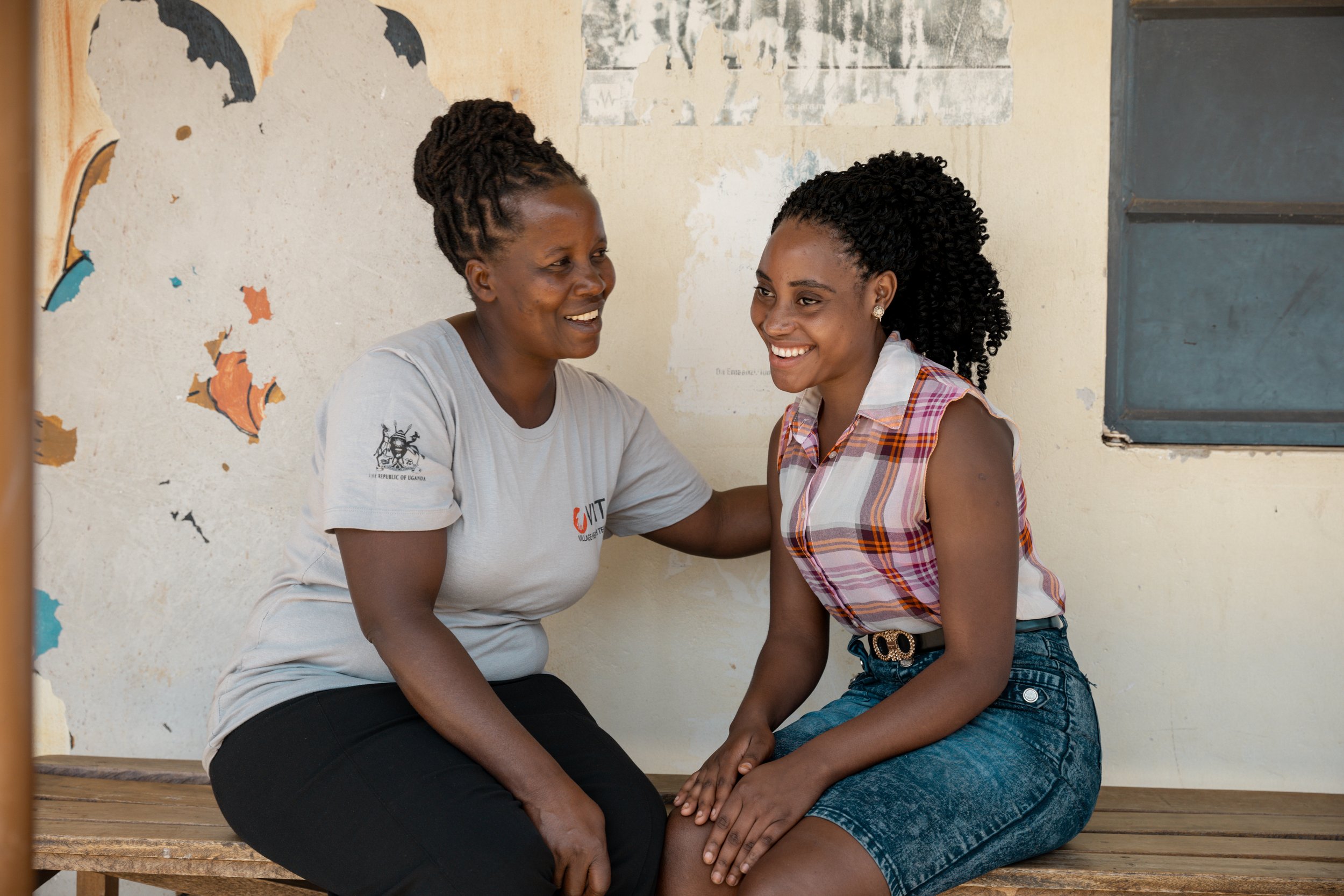
Communities really want to keep their children healthy. Children themselves are very resilient. Parents are resourceful. Communities are motivated for change. Healthy Child Uganda’s more than 350 volunteers work with 17,000 young children and their families. Over 80 Ugandan health workers trained by HCU care for sick children at local health centres. Volunteer Canadian pediatricians have helped since 1999. In HCU villages, volunteers register and regularly visit all children under five years. They give health talks, advice and refer sick children. They encourage families to participate in immunization clinics and other child health activities. Volunteers advocate for orphaned and disabled children and support “at risk” children. Twice a year, HCU volunteers support Child Health Days where children are weighed and receive immunizations and deworming medicine. Skits, puppetry and songs are used for health teaching.